
Like us on Facebook
Follow us on Twitter
Follow us on Instagram
review us on Google

What to Expect From Hammertoe Surgery

A hammertoe develops when a smaller toe bends at one or two of its joints instead of remaining straight. The bent toe can rub against shoes, creating painful corns, calluses, or irritated skin. As the deformity becomes more severe, the toe becomes harder to straighten and daily activities become less comfortable. When other treatments no longer provide enough relief, hammertoe surgery can correct the toe's position and reduce pain. Surgery also removes the bony bump that forms from the bent joint. Most procedures are performed on an outpatient basis, allowing patients to return home the same day. A podiatrist determines which type of surgery is best. This is based on the shape of the toe, the condition of the joint, and overall foot health.

Hammertoe surgery usually takes about 30 minutes and is commonly performed with a local anesthetic, which numbs the foot while the patient remains awake. One procedure removes part of the joint while allowing some movement to remain. Another procedure removes the entire joint and straightens the toe. The goal is to create a straighter toe, improve comfort, and make wearing less painful. Like any operation, hammertoe surgery includes possible risks. These include infection, delayed healing, or the toe becoming stiff. A podiatrist explains these risks before surgery and answers questions so patients understand what to expect.

Regular follow-up visits with a podiatrist help ensure proper healing and monitor progress. A special surgical shoe protects the foot after the procedure, and the podiatrist checks the incision, removes any temporary wire, and determines when normal activities can safely resume. Most patients notice improved toe alignment and greater comfort once healing is complete. Correcting the deformity also reduces pressure that previously caused painful corns and calluses. If you have a painful hammertoe, it is suggested that you schedule an appointment with a podiatrist who can discuss the benefits of this type of foot surgery with you.

Hammertoes can be a painful condition to live with. For more information, contact one of our podiatrists of Foot and Ankle Reconstruction of Georgia. Our doctors will answer any of your foot- and ankle-related questions.

Hammertoe

Hammertoe is a foot deformity that occurs due to an imbalance in the muscles, tendons, or ligaments that normally hold the toe straight. It can be caused by the type of shoes you wear, your foot structure, trauma, and certain disease processes.

Symptoms

  • Painful and/or difficult toe movement
  • Swelling
  • Joint stiffness
  • Calluses/Corns
  • Physical deformity

Risk Factors

  • Age – The risk of hammertoe increases with age
  • Sex – Women are more likely to have hammertoe compared to men
  • Toe Length – You are more likely to develop hammertoe if your second toe is longer than your big toe
  • Certain Diseases – Arthritis and diabetes may make you more likely to develop hammertoe

Treatment

If you have hammertoe, you should change into a more comfortable shoe that provides enough room for your toes. Exercises such as picking up marbles may strengthen and stretch your toe muscles. Nevertheless, it is important to seek assistance from a podiatrist in order to determine the severity of your hammertoe and see which treatment option will work best for you.

If you have any questions, please feel free to contact our offices located in Woodstock, Jasper, and Marietta, GA . We offer the newest diagnostic and treatment technologies for all your foot care needs.

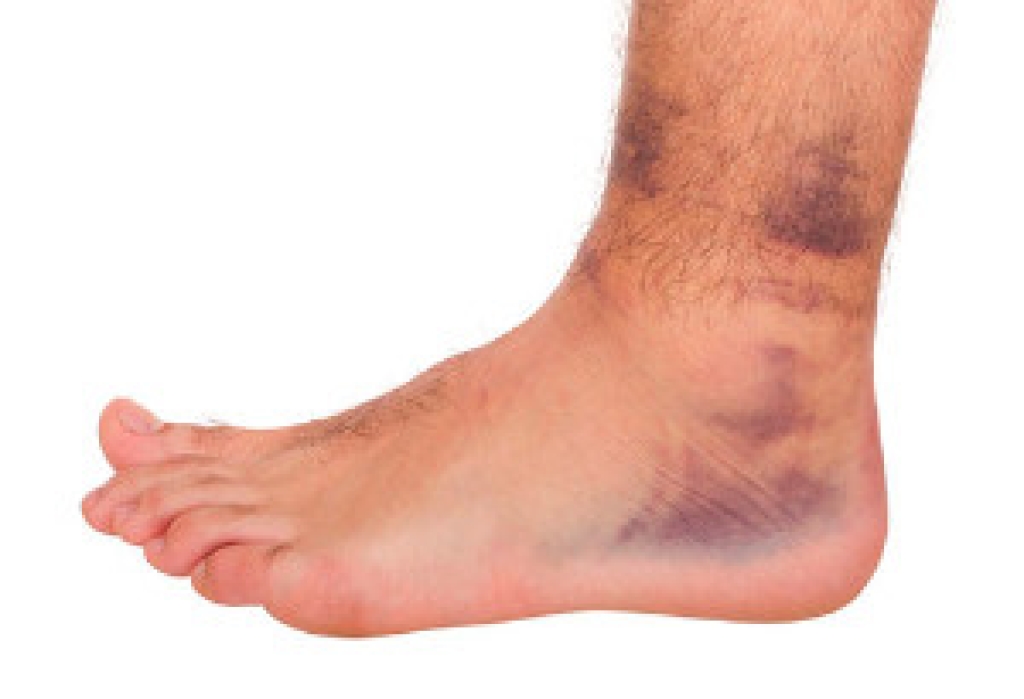
Read more about Hammertoe

What You Should Know About Foot Fractures

Broken bones in the feet can interfere with standing, walking, and other daily activities. The foot contains 26 bones that work together to provide support and movement. A fracture is the medical term for a broken bone. Fractures range from small cracks to complete breaks. Some occur after a sudden injury, while others develop from repeated stress placed on the foot. A broken foot bone can result from a fall, a sports-related injury, or a heavy object landing on the foot. Certain fractures occur when repeated impact places more pressure on a bone than it can handle. These are called stress fractures. Because foot bones absorb your body weight with every step, even a small fracture can cause significant pain and limit mobility.

Symptoms of a broken foot bone vary depending on the location and severity of the injury. Pain is usually the most noticeable sign. Swelling, bruising, and tenderness are also common. Some people have difficulty putting weight on the affected foot. Others notice pain while walking or standing. In some cases, the foot appears misshapen or develops noticeable swelling around the injured area. Ignoring these symptoms can lead to additional problems. Continued pressure on a fractured bone can affect healing and increase discomfort. Prompt evaluation helps determine the extent of the injury and the most appropriate treatment plan.

A podiatrist plays an important role in diagnosing and treating broken foot bones. Diagnosis includes a physical examination and imaging studies, such as X-rays. Treatment depends on the type of fracture and its location. Care includes immobilization with a cast, boot, or other protective device. More severe fractures sometimes require surgery to restore proper bone alignment. A podiatrist also monitors healing and helps reduce the risk of long-term complications. Early treatment can improve comfort and support a safer return to normal activities. If you have fractured your foot,  it is suggested that you schedule an appointment with a podiatrist for an accurate diagnosis and appropriate treatment.

A broken foot requires immediate medical attention and treatment. If you need your feet checked, contact one of our podiatrists from Foot and Ankle Reconstruction of Georgia. Our doctors can provide the care you need to keep you pain-free and on your feet.

Broken Foot Causes, Symptoms, and Treatment

A broken foot is caused by one of the bones in the foot typically breaking when bended, crushed, or stretched beyond its natural capabilities. Usually the location of the fracture indicates how the break occurred, whether it was through an object, fall, or any other type of injury. 

Common Symptoms of Broken Feet:

  • Bruising
  • Pain
  • Redness
  • Swelling
  • Blue in color
  • Numbness
  • Cold
  • Misshapen
  • Cuts
  • Deformities

Those that suspect they have a broken foot shoot seek urgent medical attention where a medical professional could diagnose the severity.

Treatment for broken bones varies depending on the cause, severity and location. Some will require the use of splints, casts or crutches while others could even involve surgery to repair the broken bones. Personal care includes the use of ice and keeping the foot stabilized and elevated.

If you have any questions, please feel free to contact our offices located in Woodstock, Jasper, and Marietta, GA . We offer the newest diagnostic and treatment technologies for all your foot care needs.
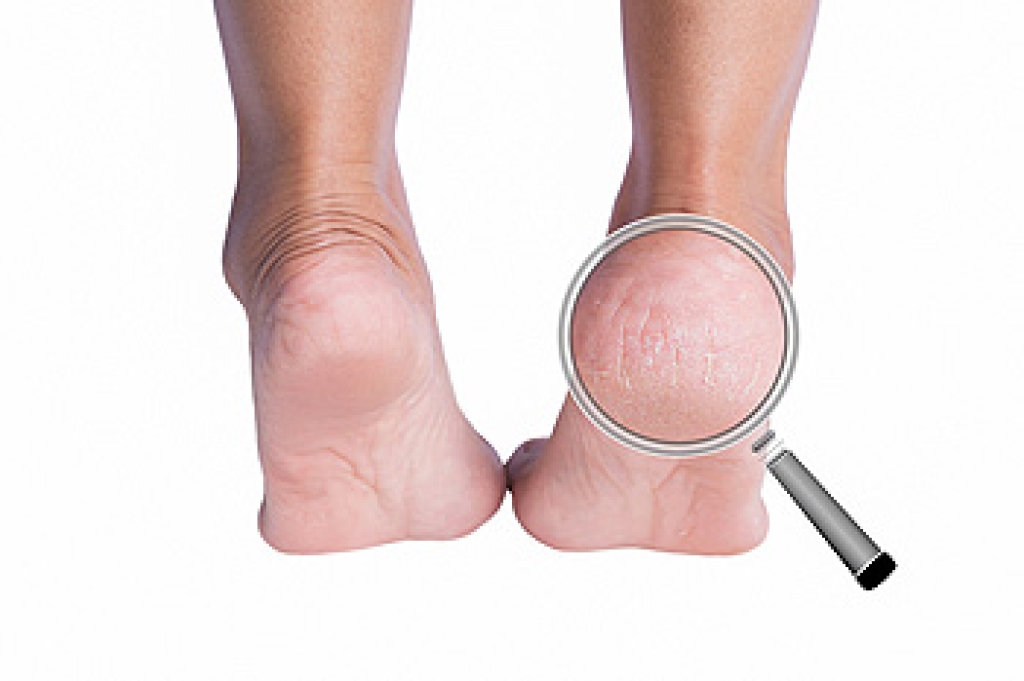
Read more about Causes, Symptoms, and Treatment for a Broken Foot

Ankle Fracture? Don’t Wait for Treatment

If you're suffering from an ankle fracture, professional attention shouldn't wait. Fractures may worsen over time and can make completing everyday activities incredibly difficult. See your specialist for treatment and guidance through the healing process. 

Nighttime Foot Pain and What It Could Mean

Foot pain that becomes worse at night can be frustrating and disruptive. Aching, burning, or throbbing pain can make it difficult to fall asleep or stay asleep. Nighttime foot pain can develop from conditions that affect the bones, joints, nerves, or soft tissues of the feet. One common cause is plantar fasciitis, which is irritation of a band of tissue that supports the arch. Although plantar fasciitis is known for causing pain with the first steps in the morning, some people also notice discomfort when resting at night. Arthritis can also lead to aching pain and stiffness after a day of activity. Foot pain at night can be linked to inflammation that becomes more noticeable when the body is at rest.

Nerve-related problems are another possible source of nighttime foot pain. Nerves that become compressed or irritated can produce burning, tingling, or shooting sensations. Peripheral neuropathy, a condition that involves damaged nerves, can also cause discomfort that feels stronger in the evening hours. Diabetes is one of the leading causes of this type of nerve damage. Other foot conditions associated with nighttime pain include bunions, Morton’s neuroma, and tendon injuries. Morton’s neuroma develops when a nerve between the toes becomes irritated, leading to burning pain and numbness. A podiatrist can determine the cause of pain through a physical examination, a review of medical history, and X-rays or other imaging studies, when necessary.

Because nighttime foot pain has many possible causes, obtaining an accurate diagnosis is important. Once the podiatrist identifies the source of the problem, treatment options follow. Included are custom orthotics, medication, or other medical therapies designed to reduce pain and improve foot function. Early evaluation can also help detect underlying health conditions that contribute to ongoing discomfort. Addressing the problem promptly can improve sleep quality and help patients return to normal daily activities with greater comfort. If you have foot pain at night, it is suggested that you schedule an appointment with a podiatrist for an exam and appropriate treatment.

Foot Pain

Foot pain can be extremely painful and debilitating. If you have a foot pain, consult with one of our podiatrists from Foot and Ankle Reconstruction of Georgia. Our doctors will assess your condition and provide you with quality foot and ankle treatment.

Causes

Foot pain is a very broad condition that could be caused by one or more ailments. The most common include:

  • Bunions
  • Hammertoes
  • Plantar Fasciitis
  • Bone Spurs
  • Corns
  • Tarsal Tunnel Syndrome
  • Ingrown Toenails
  • Arthritis (such as Gout, Rheumatoid, and Osteoarthritis)
  • Flat Feet
  • Injury (from stress fractures, broken toe, foot, ankle, Achilles tendon ruptures, and sprains)
  • And more

Diagnosis

To figure out the cause of foot pain, podiatrists utilize several different methods. This can range from simple visual inspections and sensation tests to X-rays and MRI scans. Prior medical history, family medical history, and any recent physical traumatic events will all be taken into consideration for a proper diagnosis.

Treatment

Treatment depends upon the cause of the foot pain. Whether it is resting, staying off the foot, or having surgery; podiatrists have a number of treatment options available for foot pain.

If you have any questions, please feel free to contact our offices located in Woodstock, Jasper, and Marietta, GA . We offer the newest diagnostic and treatment technologies for all your foot care needs.

Read more about Foot Pain

Ugly Toenails May Indicate a Fungus

Toenail fungus is a common infection that can change the way your nails look and feel. The affected nails may become thick, yellow, or brown. They can appear brittle, cracked, or misshapen. Some people notice debris building up under the nail, a bad odor, or the nail starting to lift away from the skin underneath. In some cases, the condition can cause discomfort, especially when wearing shoes or walking. Toenail fungus develops when fungi enter through small cracks in the nail or surrounding skin. These organisms grow best in warm, moist environments like sweaty shoes, locker rooms, and public pool areas. Risk factors include aging, previous nail injuries, or diabetes. Because other nail conditions can look similar, a proper diagnosis is important. A podiatrist can examine the nail, confirm whether fungus is present, and recommend the most effective treatment. If you notice fungal toenail symptoms, it is suggested that you schedule an appointment for evaluation and care.

If left untreated, toenail fungus may spread to other toenails, skin, or even fingernails. If you suspect you have toenail fungus it is important to seek treatment right away. For more information about treatment, contact one of our podiatrists of Foot and Ankle Reconstruction of Georgia. Our doctors can provide the care you need to keep you pain-free and on your feet.

Symptoms

  • Warped or oddly shaped nails
  • Yellowish nails
  • Loose/separated nail
  • Buildup of bits and pieces of nail fragments under the nail
  • Brittle, broken, thickened nail

Treatment

If self-care strategies and over-the-counter medications does not help your fungus, your podiatrist may give you a prescription drug instead. Even if you find relief from your toenail fungus symptoms, you may experience a repeat infection in the future.

Prevention

In order to prevent getting toenail fungus in the future, you should always make sure to wash your feet with soap and water. After washing, it is important to dry your feet thoroughly especially in between the toes. When trimming your toenails, be sure to trim straight across instead of in a rounded shape. It is crucial not to cover up discolored nails with nail polish because that will prevent your nail from being able to “breathe”.

In some cases, surgical procedure may be needed to remove the toenail fungus. Consult with your podiatrist about the best treatment options for your case of toenail fungus.  

If you have any questions please contact our offices located in Woodstock, Jasper, and Marietta, GA . We offer the newest diagnostic and treatment technologies for all your foot and ankle needs.

Read more about Treating Toenail Fungus
scroll to top